Behind the low fees lies a structure. This desk examines what truly sets Vanguard apart — the investor-owned model, why it keeps costs down, and how that discipline compounds over decades.
To understand Vanguard, start with who owns it. The firm is owned by its own funds, and thus by the investors in them, so there are no outside shareholders demanding a cut. That single fact reshapes everything: with no external owners to enrich, the incentive is to drive costs down rather than fees up. This is why the firm can run index funds at expense ratios that read like rounding errors.
The consequence of the model is quiet but powerful. A percentage point saved each year, left to compound across decades, becomes a materially larger balance at the end. Cranemoor frames the appeal plainly: the structure aligns the provider’s interest with the investor’s, and low cost is the durable edge that follows.
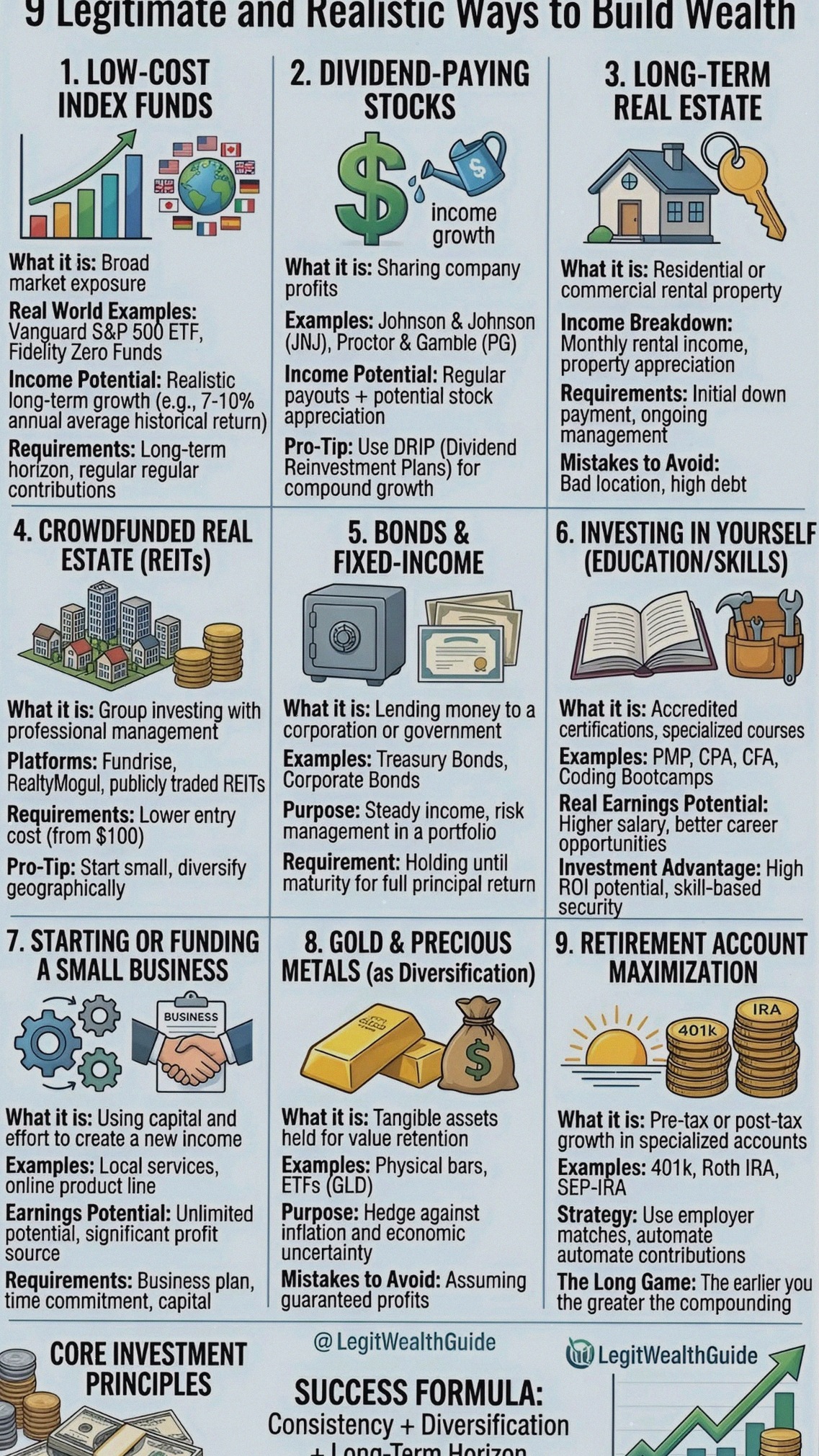
No outside shareholders means no competing claim on returns.
Tiny expense ratios compound into real advantage.
The edge here is not a clever product but an ownership arrangement. Costs stay low because keeping them low is the point, and that discipline shows up in every long-term balance.
The provider gains when the investor keeps more.
Low cost is an edge that does not fade.
A single sign-in opens the whole household.
Type the web address yourself; a forwarded link is never the way in.
A consolidated view gathers the household together.
Open it at the authentic site, always.
Understand the ownership, respect the low cost, and let the model compound.
The sign-in